Ceramic Coating vs Wax: Which Is Right for Your Car in Qatar?
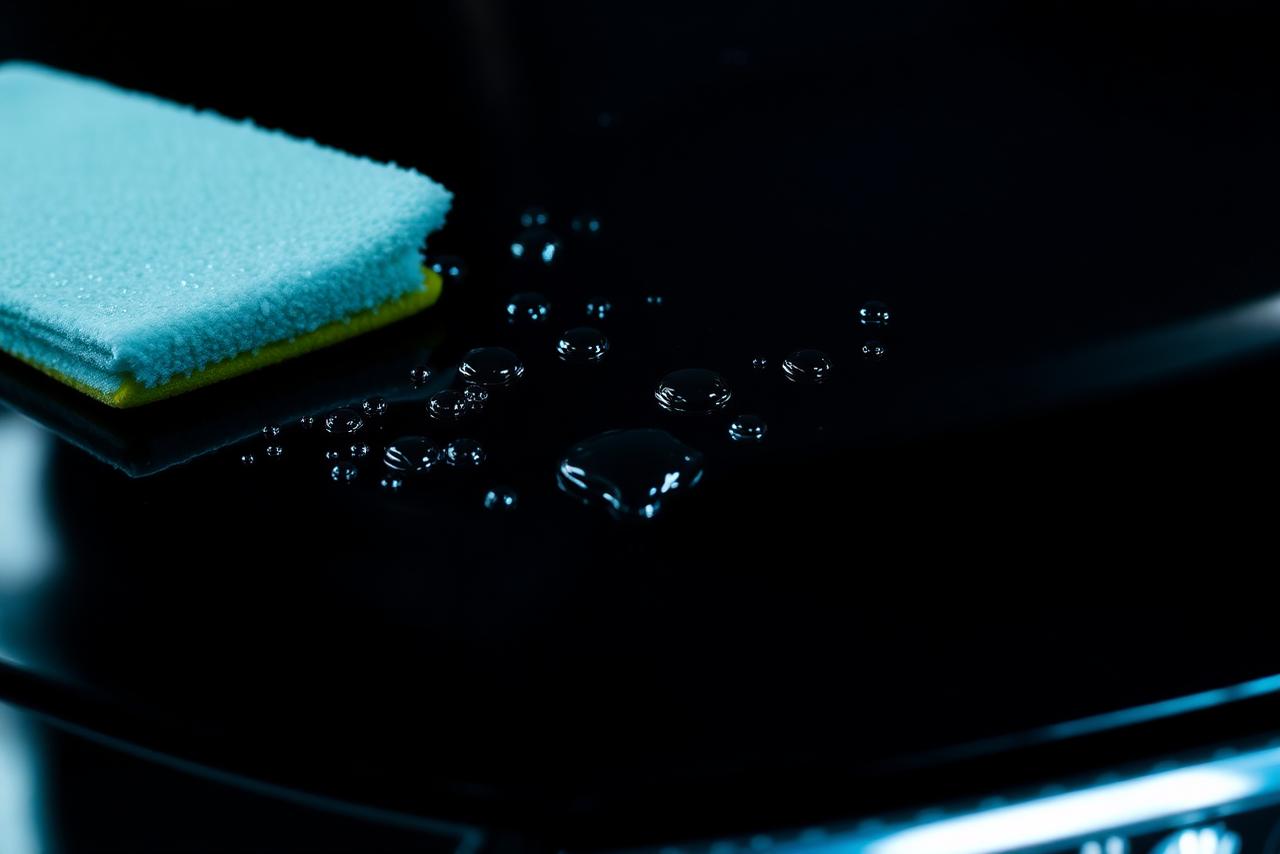
Both wax and ceramic coating protect paint, but they are different technologies with very different lifespans. The choice comes down to how long you keep the car, where you park it, and how much maintenance you want to do yourself.
What carnauba wax actually does
Wax sits on the paint as a soft, oil-rich film. It delivers a warm, deep glow that many enthusiasts prefer on dark colours and it is inexpensive to apply.
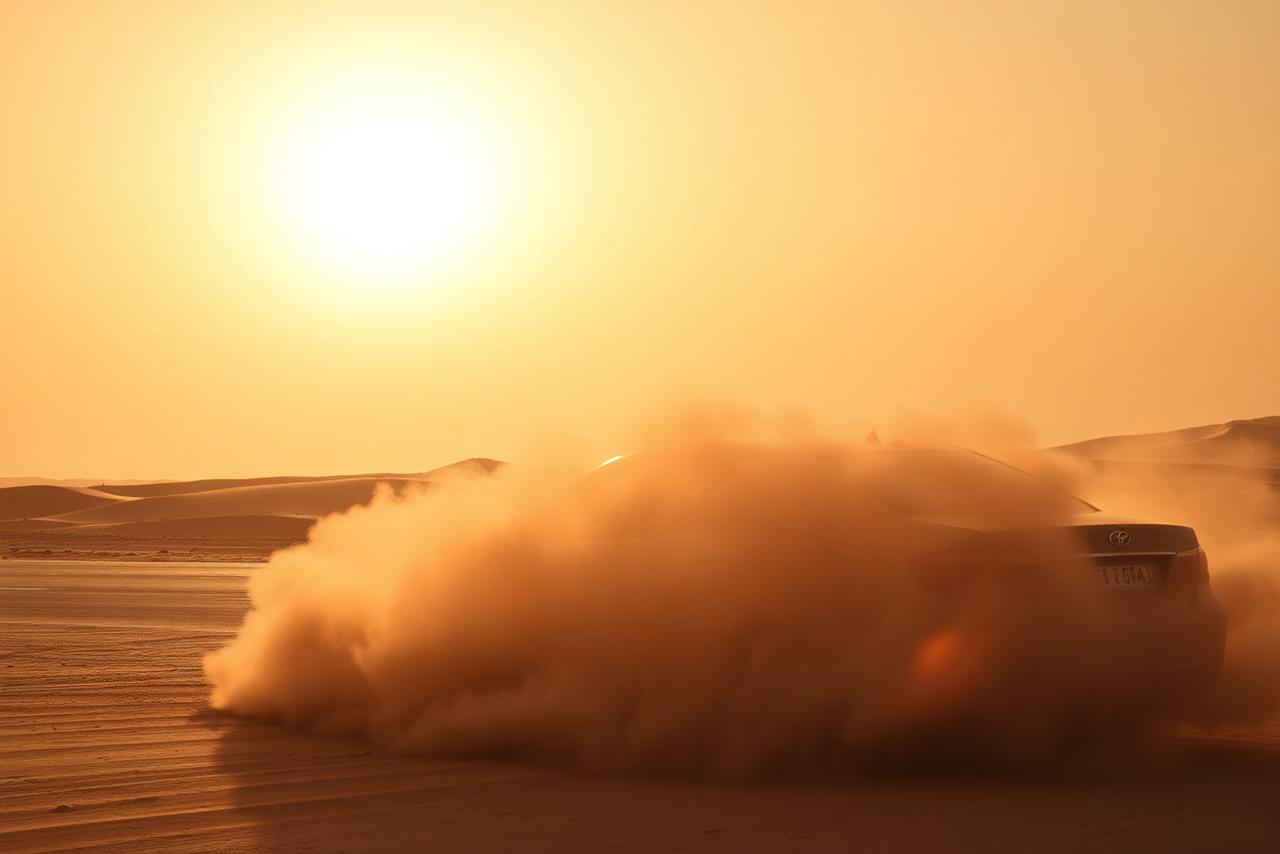
The catch in Qatar: wax softens and degrades above roughly 50°C surface temperature. On a car parked in the sun in July, a wax layer can be largely gone in three to five weeks.
What a 9H ceramic coating does
A ceramic coating is a liquid SiO2 polymer that chemically bonds with the clear coat and cures into a hard, glass-like layer. It resists heat, UV, chemical staining and light marring, and it stays hydrophobic for years rather than weeks.
Properly prepped and applied, expect 2–5 years of protection in Qatar, with washing time cut roughly in half because dirt has far less to grip.
Cost over time, not cost today
Wax is cheaper per application but needs redoing 8–12 times a year here. Ceramic costs more up front and then runs for years with only maintenance washes. Over a three-year ownership period, ceramic is usually the cheaper and better-looking option.
Our recommendation
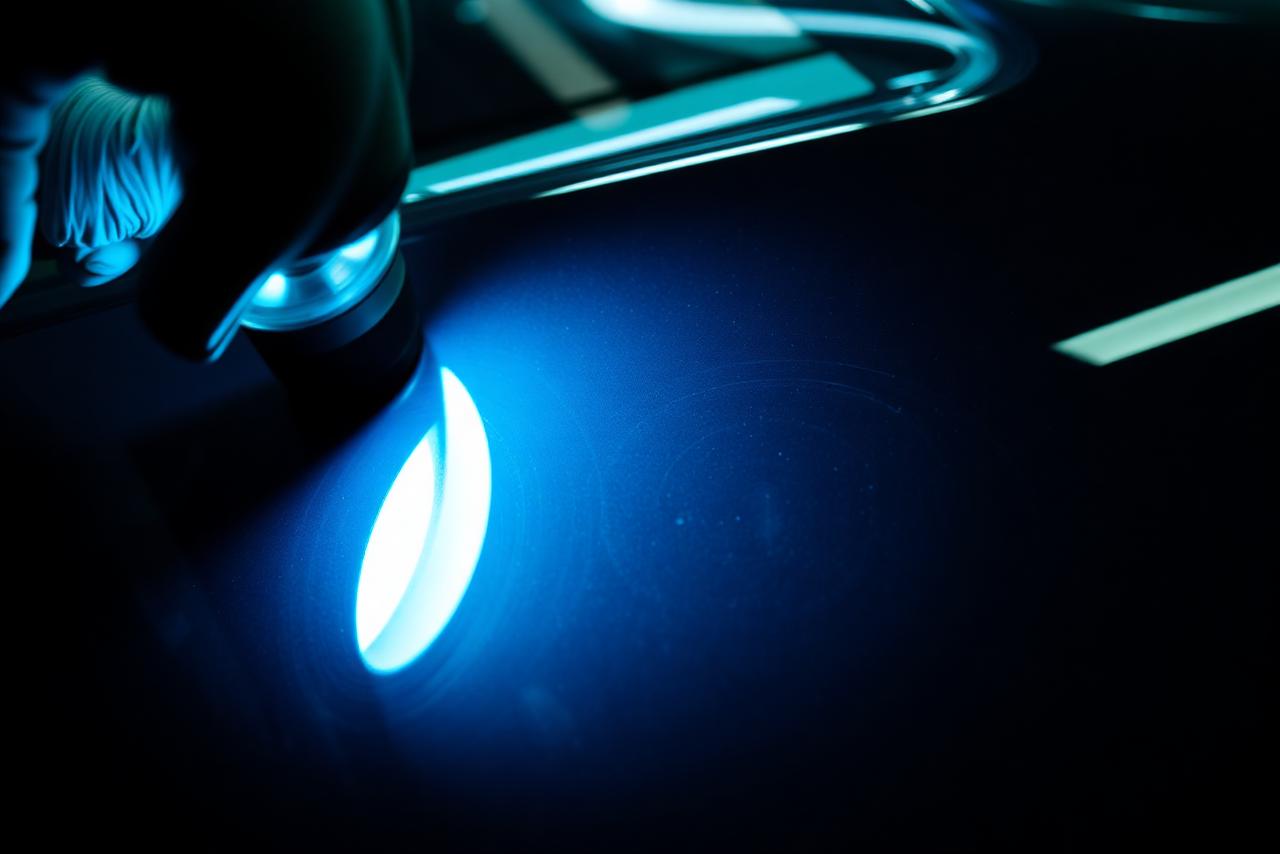
Keeping the car more than a year, parking outdoors, or driving a dark colour: choose ceramic coating. Selling soon, garage-kept, or you simply enjoy detailing by hand: wax is perfectly reasonable. Paint must be corrected first either way — coating over swirl marks locks them in.
Ready to protect your car in Qatar's climate?